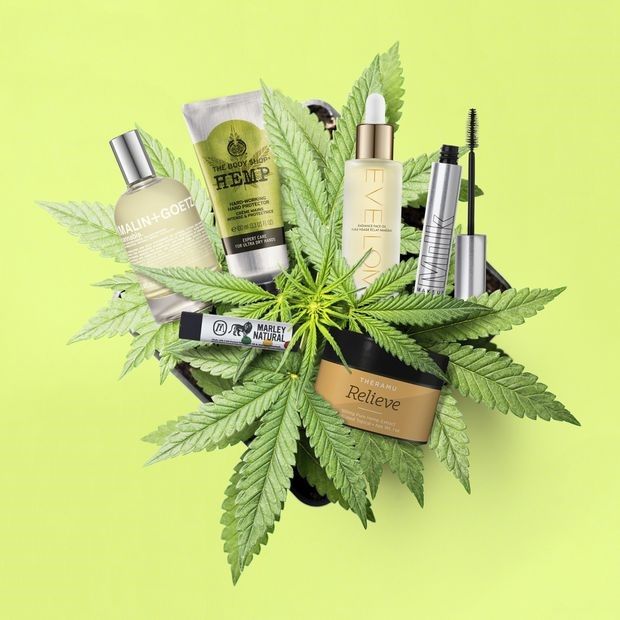
Marijuana cosmeceuticals occupy a unique space between skincare and science. These products—ranging from lotions and serums to balms and patches—blend cosmetic appeal with therapeutic potential. Yet, because the term “cosmeceutical” has no official legal standing in the United States, consumers must depend on transparency and independent verification. The most reliable safeguard is third-party laboratory testing that confirms both product safety and accuracy.
What Lab Testing Verifies
Comprehensive testing ensures two key things: what’s inside the product and what’s not. It confirms the presence and potency of cannabinoids and terpenes, while also screening for harmful substances such as pesticides, heavy metals, residual solvents, mycotoxins, and microbial contaminants. These tests matter because even topical products can absorb through the skin, meaning unsafe ingredients may enter the bloodstream or cause irritation. Robust testing practices, like those required in advanced state programs, aim to protect consumers from these risks by ensuring the product matches its label and is free of harmful contaminants.
The Role of Standards and Accreditation
Because there is no federal oversight and state laws differ, standardization is critical. Laboratories accredited under ISO/IEC 17025 have demonstrated technical competence and consistent quality management systems. Accreditation ensures that the methods used for testing are scientifically validated and repeatable. For consumers, this certification is an unseen assurance that the results are trustworthy, even if it doesn’t appear directly on product packaging.
The Value of Established Methods
Organizations such as AOAC INTERNATIONAL and ASTM International have developed scientific frameworks for cannabis testing. These frameworks provide standardized methods for measuring cannabinoid content, detecting contaminants, and maintaining laboratory quality. The existence of these standards allows for consistency across states and manufacturers, giving consumers more confidence that “lab-tested” truly means safe and verified.
Inconsistent Rules Across States
One of the main challenges facing marijuana cosmeceuticals is the lack of national uniformity. Each state has its own rules about which contaminants to test for, how samples are collected, and what limits are acceptable. This patchwork regulation has led to product recalls and confusion among consumers. As a result, it is essential for buyers to review Certificates of Analysis (COAs) to confirm that testing covers the final, packaged product rather than just the raw extract.
Read More: Marijuana Cosmeceutical Regulations: How They Differ from Traditional Cosmetics
How Consumers Can Use COAs
Verifying a COA is simpler than many realize. Consumers should scan the QR code or visit the product’s testing page online, confirm the batch or lot number matches the label, and check that the lab performing the test is accredited. They should also review the cannabinoid levels and ensure contaminants show “Not Detected” or fall within acceptable safety limits. Lastly, they should confirm that the test date is recent—outdated COAs may not reflect the current condition of the product.
Final Takeaway
In an industry where “cosmeceutical” is more marketing term than legal category, lab testing is the consumer’s only true line of defense. Choosing marijuana skincare products supported by recent, transparent, and accredited lab results ensures both safety and authenticity. For informed shoppers, a verified COA is the difference between buying into a promise and investing in proof.