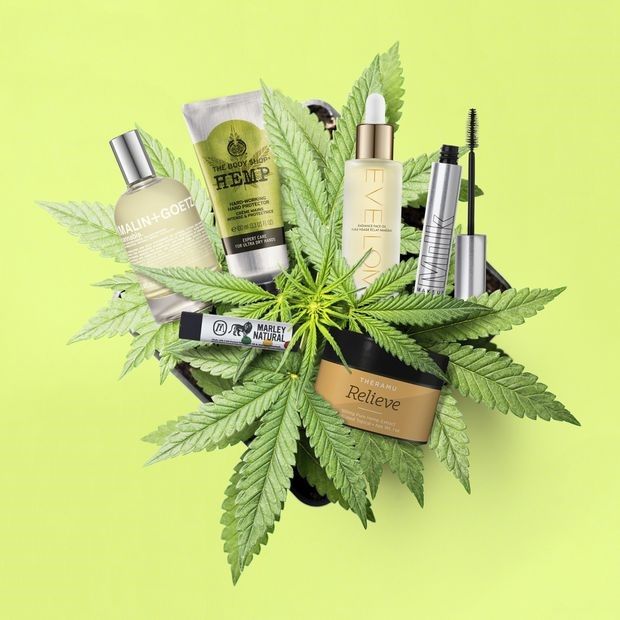
The regulation of marijuana cosmeceuticals occupies a complex intersection between cosmetics law, cannabis legislation, and advertising compliance. In the United States, the term “cosmeceutical” itself carries no legal definition under the Federal Food, Drug, and Cosmetic Act (FD&C Act). A product is legally classified as either a cosmetic, a drug, or both—depending entirely on its intended use and claims.
If a topical product claims to treat a condition or alter the body’s structure or function (for example, “reduces inflammation” or “treats acne”), it is considered a drug and must meet all corresponding drug regulations. However, if it is marketed simply to cleanse, beautify, or enhance appearance without such claims, it falls under cosmetic classification.
The Modernization of Cosmetics Regulation Act (MoCRA), enacted in 2022, has raised the regulatory standard for all cosmetic products, including cannabis-infused topicals. MoCRA introduced new requirements for facility registration, product listing, safety substantiation, adverse event reporting, and forthcoming Good Manufacturing Practices (GMPs). Under these rules, all cosmetic manufacturers—including those using cannabinoids—must now meet federal safety and traceability standards that align closely with international norms.
For products that contain cannabis-derived ingredients, the federal framework is layered with additional complexity. The 2018 Farm Bill legalized hemp (defined as cannabis with less than 0.3% delta-9 THC by dry weight) but preserved the U.S. Food and Drug Administration’s (FDA) authority over products containing cannabis or its derivatives. The FDA allows the use of cannabinoids in cosmetics as long as the product is not adulterated, misbranded, or marketed with therapeutic or medical claims.
While these federal rules form the foundation, state-specific cannabis regulations create additional compliance challenges that traditional cosmetics do not face. States such as California and Colorado have implemented their own pre-market testing requirements for cannabis-infused topicals. These can include potency analysis for THC and CBD content, microbial testing, heavy-metal screening, and residual-solvent detection. In addition, state laws often require child-resistant packaging, universal cannabis warning symbols, and clear potency disclosures in milligrams.
Unlike standard cosmetic products, marijuana cosmeceuticals sold through licensed dispensaries must also comply with strict labeling and packaging mandates set by local cannabis control boards. This dual-compliance structure—federal cosmetic law under MoCRA and state cannabis law—makes product development and marketing in this category especially intricate.
Advertising and marketing also come under closer scrutiny. The Federal Trade Commission (FTC) has issued enforcement actions against companies making unsubstantiated health claims about CBD or cannabis-based products. To remain compliant, marijuana cosmeceutical brands must avoid suggesting medical benefits without scientific evidence that meets FDA and FTC standards.
In short, while marijuana cosmeceuticals share the same baseline requirements as all cosmetic products under MoCRA, they are further regulated under cannabis-specific laws that govern ingredient potency, testing, and packaging. As the regulatory landscape continues to evolve, manufacturers are expected to maintain both cosmetic compliance and cannabis-specific safety protocols to ensure product integrity and consumer trust.