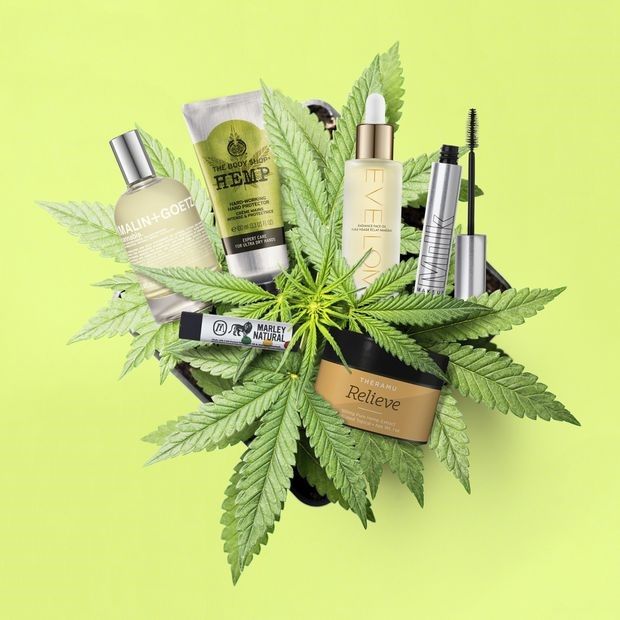
As cannabis-infused skincare moves from niche curiosity to mainstream beauty shelves, dermatologists are cautiously optimistic—yet divided—on its efficacy and safety. With cannabidiol (CBD), tetrahydrocannabinol (THC), and hemp seed oil now featured in everything from serums to sunscreens, the medical community is being pressed to weigh the therapeutic promise of these cannabinoids against the limits of existing research.
The Science Behind Cannabis Skincare
Dermatologists note that CBD’s anti-inflammatory and antioxidant properties are its strongest attributes in skincare. “CBD has shown potential to calm irritation, reduce redness, and help with acne and eczema,” said Dr. Caroline Robinson, a board-certified dermatologist specializing in skin barrier disorders. Cannabinoids interact with the skin’s endocannabinoid system—responsible for maintaining homeostasis—potentially helping balance oil production and inflammation levels.
However, while laboratory studies and anecdotal reports are encouraging, dermatologists emphasize that most data stems from preclinical or small-scale human trials. “We’re only beginning to understand how cannabinoids interact with the skin,” noted Dr. Joshua Zeichner of Mount Sinai Hospital. “We need more peer-reviewed, controlled studies to determine what concentrations and delivery methods are truly effective.”
Dermatologists’ Main Concerns
One of the biggest concerns among dermatologists is product inconsistency. Due to minimal regulation in the cosmeceutical sector, many cannabis-infused skincare products may not contain the advertised levels of CBD—or any at all. A 2022 Journal of the American Medical Association (JAMA) study found that more than 60% of CBD topical products sold online were inaccurately labeled, with some even containing trace amounts of THC.
“Without FDA oversight or standardized testing, it’s difficult for dermatologists to recommend specific products confidently,” said Miami-based dermatologist Dr. Alicia Barba. “Patients may think they’re buying medical-grade CBD, but often they’re just paying for marketing.”
Additionally, dermatologists warn that cannabis extracts, especially those containing THC, may trigger skin irritation or allergic reactions in sensitive users. Those with compromised skin barriers—such as eczema sufferers—are urged to consult professionals before using any cannabinoid-rich formula.
The Emerging Consensus
Despite concerns, dermatologists are not dismissing cannabis cosmeceuticals outright. Instead, many advocate for cautious optimism. “There’s real potential here,” said Dr. Robinson. “But we need to separate well-formulated, lab-tested cosmeceuticals from unverified wellness trends.”
Experts agree that broad-spectrum or isolate CBD formulations (free of THC) are generally safer for the majority of consumers. Dermatologists also emphasize checking for certificates of analysis (COAs), third-party lab testing, and brand transparency about sourcing and extraction methods.
The Future of Dermatological Acceptance
As more clinical research emerges, the dermatological stance may shift from skepticism to endorsement. Several ongoing studies are investigating cannabinoid use in chronic skin conditions like psoriasis, acne, and atopic dermatitis—with early findings suggesting reduced inflammation and improved symptom management.
For now, dermatologists recommend consumers approach cannabis cosmeceuticals as complementary, not curative. “Think of CBD as a supportive ingredient rather than a miracle compound,” said Dr. Zeichner. “It can play a role in healthy skincare—but only when backed by science, not hype.”