
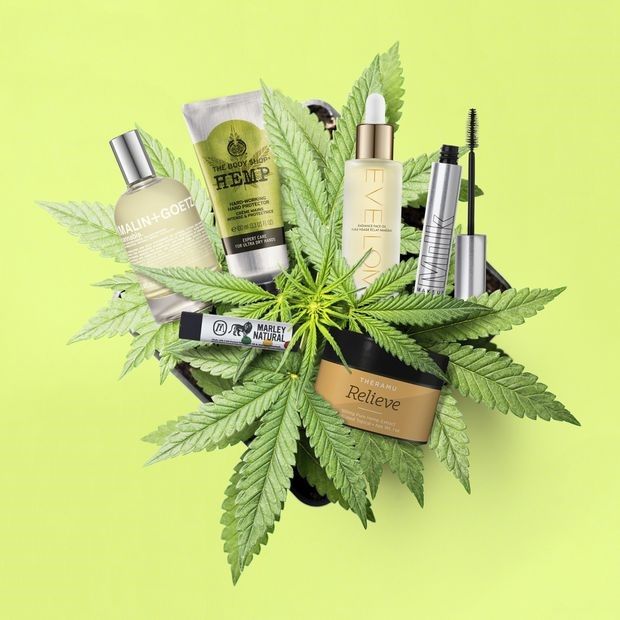
In the evolving world of cosmeceuticals, few ingredients generate as much interest and confusion as hemp seed oil and cannabis extracts. While both are derived from the Cannabis sativa plant, their composition, benefits, and regulatory standing vary significantly. Understanding these differences helps consumers make informed decisions about the products they choose for their skin, hair, and overall wellness.
Composition and Source
Hemp seed oil and cannabis extracts come from different parts of the plant. Hemp seed oil is obtained by cold-pressing the seeds of industrial hemp, which naturally contain negligible levels of cannabinoids such as THC (tetrahydrocannabinol) or CBD (cannabidiol). This oil is rich in essential fatty acids like omega-3 and omega-6, antioxidants, and vitamins A and E—making it a powerful natural moisturizer and skin barrier protector.
Cannabis extracts, on the other hand, are derived from the flowers and leaves of the plant. These extracts may contain varying concentrations of cannabinoids, primarily CBD and, in some cases, trace amounts of THC. Depending on the extraction process—such as CO₂ or ethanol extraction—manufacturers can isolate or combine specific cannabinoids and terpenes to create targeted formulations for anti-inflammatory, anti-aging, or soothing effects.
Function and Benefits
Hemp seed oil primarily functions as an emollient and nutrient-rich hydrator. It helps restore the skin’s lipid balance, reduce transepidermal water loss, and calm irritation caused by dryness or environmental stressors. Because it lacks cannabinoids, its effects are largely topical and nutritional, rather than therapeutic.
Cannabis extracts, particularly those containing CBD, have gained popularity for their potential to influence the body’s endocannabinoid system (ECS)—a network of receptors involved in maintaining skin balance, inflammation, and repair. Studies suggest that CBD may help reduce redness, regulate sebum production, and support conditions such as acne, eczema, and psoriasis. This makes cannabis extracts particularly valuable in formulations targeting sensitive or problem-prone skin.
Regulatory and Label Clarity
One of the biggest challenges in the cosmeceutical market is ensuring consumers understand product labels. Hemp seed oil is fully legal and widely used in cosmetics across the United States and Europe. Cannabis extracts containing CBD are legal in many regions but remain under evolving regulation depending on their cannabinoid concentration and the source plant’s THC level.
This distinction matters because some brands use the term “cannabis” on labels to imply the presence of CBD when the formulation only includes hemp seed oil. Consumers seeking specific therapeutic benefits should look for terms such as “CBD extract,” “broad-spectrum hemp extract,” or “full-spectrum extract,” and verify that third-party lab testing confirms cannabinoid content and purity.
Consumer Takeaway
Both hemp seed oil and cannabis extracts offer valuable benefits in modern skincare, but they serve different purposes. Hemp seed oil is ideal for hydration, nourishment, and daily skin protection, while CBD and other cannabinoid extracts cater to those seeking targeted solutions for inflammation and skin reactivity.
For consumers, understanding these distinctions empowers smarter choices and helps ensure that products deliver the results promised on the label.