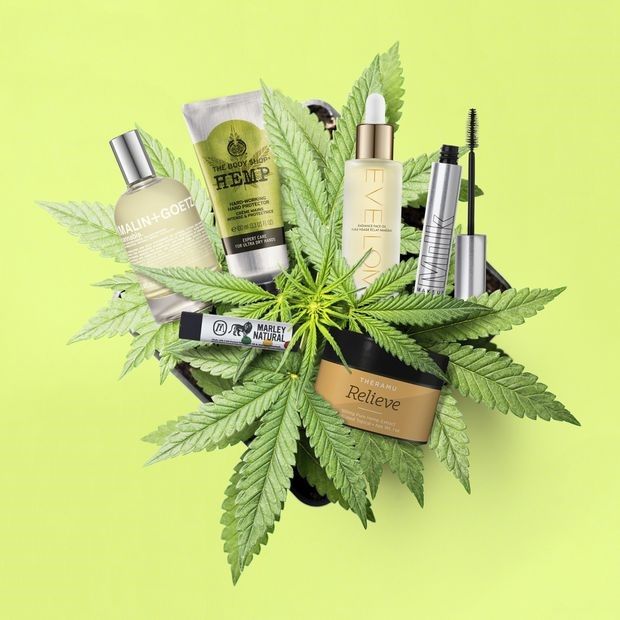
In recent years, cannabinoids have moved beyond dispensaries and into beauty cabinets worldwide. Skincare brands now promote CBD serums, hemp-infused creams, and THC-free oils as the next frontier in anti-aging. But the question remains — are cannabinoids truly the new elixir of youth, or is it just another skincare trend fueled by hype?
The Science Behind Cannabinoids and Skin Health
Cannabinoids, particularly cannabidiol (CBD), interact with the body’s endocannabinoid system (ECS) — a network that helps regulate various physiological processes including inflammation, sebum production, and cell regeneration. Dermatological studies have shown that CBD may possess antioxidant and anti-inflammatory properties that can protect skin from damage caused by free radicals and oxidative stress — two primary culprits in premature aging.
Research published in the Journal of Clinical Investigation suggests that cannabinoids can help manage skin inflammation and regulate oil production, making them potentially valuable for conditions like acne and eczema. Another study in the Antioxidants journal found that CBD’s antioxidant potency rivals that of vitamins C and E — both staples in anti-aging formulations. This ability to neutralize free radicals may contribute to healthier, more resilient skin over time.
What Dermatologists Say
While some dermatologists acknowledge the potential, many remain cautiously optimistic. Dr. Jeanette Graf, a dermatologist and clinical researcher, explains that “CBD shows promise as an antioxidant and anti-inflammatory ingredient, but long-term, large-scale studies are still needed to confirm its anti-aging efficacy.”
Others point out that formulation and sourcing matter greatly. “The purity and concentration of cannabinoids, as well as the type of carrier ingredients used, determine how effective the product truly is,” notes cosmetic chemist Dr. Michelle Wong. Inconsistent labeling and lack of FDA regulation in the skincare cannabis sector can make it difficult for consumers to differentiate between scientifically backed products and marketing-driven ones.
Beyond CBD: Exploring the Full Spectrum
Though CBD dominates the conversation, other cannabinoids like cannabigerol (CBG) and cannabinol (CBN) are emerging in anti-aging skincare. Preliminary studies indicate that CBG might play a role in stimulating collagen production and cellular repair, while CBN is being investigated for its potential role in promoting relaxation and nighttime skin recovery. However, research on these lesser-known compounds is still in early stages.
Consumer Awareness and Realistic Expectations
As the cosmeceutical market embraces cannabinoids, transparency and realistic claims remain key. Cannabinoids may enhance existing skincare regimens — helping soothe irritation, reduce redness, and protect against environmental stressors — but they are not a miracle cure for wrinkles or sagging skin.
For consumers, the best approach is to look for products that provide certificates of analysis (COAs), use full-spectrum or broad-spectrum extracts from reputable sources, and combine cannabinoids with other clinically proven anti-aging ingredients like peptides, retinol, and hyaluronic acid.
The Verdict
Science supports the idea that cannabinoids offer potential anti-aging benefits, particularly in reducing inflammation and oxidative damage. However, the hype often overshadows the evidence. Until more peer-reviewed studies validate these effects, cannabinoids should be viewed as a complementary ingredient — promising, but not a replacement for established anti-aging treatments.