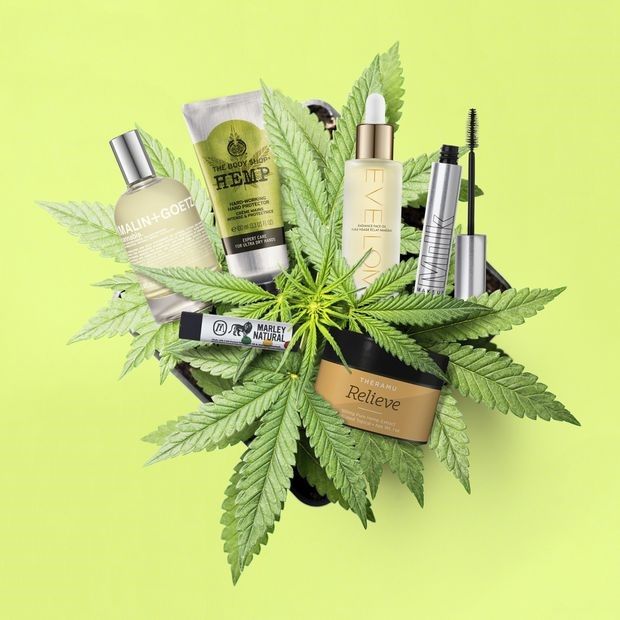
As marijuana-infused skincare and wellness products continue to grow in popularity, travelers are increasingly curious about what’s legal to pack when flying or crossing borders. While many marijuana cosmeceuticals—such as lotions, serums, and balms—are marketed as non-intoxicating topicals, travel laws remain complex. Understanding these rules can help prevent unnecessary legal complications or confiscation at security checkpoints.
U.S. Air Travel and Marijuana Cosmeceuticals
Under federal law, marijuana and certain cannabis-infused products remain prohibited during airport security screening. The Transportation Security Administration (TSA) makes one exception: hemp-derived products containing no more than 0.3% THC by dry weight. Products that exceed this limit, or those derived from marijuana plants, are considered federally illegal. Therefore, only hemp-based topicals with less than 0.3% THC are permitted on U.S. flights. Travelers should keep products in their original packaging with clear labeling to avoid confusion.
Domestic Flights vs. International Borders
Even if cannabis-infused cosmetics are legal in both the departure and arrival states, travelers are not allowed to carry them across international borders. U.S. Customs and Border Protection (CBP) enforces federal law at all entry points, which prohibits importing or exporting any marijuana-derived product. Violations can lead to product seizure, fines, or more severe consequences.
Traveling to and from Canada
Although cannabis is legal for adult use within Canada, its government maintains strict rules prohibiting travelers from carrying cannabis or CBD products into or out of the country. This includes topicals, tinctures, and skincare products. Regardless of legality at home or abroad, travelers should never bring marijuana or CBD items across the Canadian border.
Regulatory Oversight and Labeling Standards
In the United States, the Food and Drug Administration (FDA) does not pre-approve cosmetic products before they reach consumers. However, companies are responsible for ensuring their products are safe and properly labeled. The FDA monitors cannabis-infused cosmetics for misleading claims, unsafe formulations, and inaccurate THC or CBD content. Products labeled as “CBD-infused” should be verified through certificates of analysis to confirm compliance with federal limits.
Europe and International Variations
Within the European Union, cosmetic rules coexist with strict narcotics regulations. The legal status of plant-derived CBD in cosmetics varies by member state, and individual countries may impose their own THC thresholds or product restrictions. Travelers visiting Europe should research each destination’s laws carefully, as compliance standards differ widely across borders.
Best Practices for Travelers
- Only carry hemp-derived marijuana cosmeceuticals with less than 0.3% THC.
- Keep items in their original packaging and consider bringing a certificate of analysis.
- Avoid transporting any cannabis-based products internationally.
- Purchase products legally at your destination if permitted.
- Stay informed about evolving regulations in both the U.S. and abroad.
Final Takeaway
Travelers should treat marijuana cosmeceuticals as regulated substances, not standard skincare. Within the United States, only hemp-derived products meeting the federal THC threshold are permissible in air travel. Crossing international borders with any form of cannabis-infused product remains illegal, even if purchased legally. When in doubt, leave cannabis topicals at home and buy compliant products upon arrival.